Table of Contents
- Understanding Mexican Citizenship Application Processing Time
- Typical Timeline for Mexican Citizenship Applications
- Factors That Affect Your Processing Timeline
- Mexican Dual Citizenship Requirements for U.S. Citizens
- Mexican Consulate Appointment Wait Times and How to Navigate Them
- Common Mistakes in Mexican Citizenship Applications That Cause Delays
- How to Check Your Application Status and Expedite Processing
- Conclusion: Planning Your Path to Mexican Citizenship
- Frequently Asked Questions
Last Updated: October 4, 2026
Understanding Mexican Citizenship Application Processing Time
The citizenship application processing time for Mexican nationals and U.S. citizens of Mexican descent varies significantly depending on several factors, but understanding the typical timeline helps you plan accordingly. At Doble Nacionalidad Express (DNExpress), we know that clarity about what to expect makes the journey far less stressful.
Most applications take anywhere from several months to over a year to complete, though this depends heavily on document completeness, consulate workload, and whether any discrepancies need correction. The processing itself happens in stages: initial document review, background verification, and final approval. Each stage has its own timeline, and delays at any point can push your overall completion date significantly.
The key insight most guides miss is that your processing time begins the moment you submit your application, not when you first contact a consulate or gather documents. Many applicants spend months preparing before they ever file, which extends their total journey considerably. Understanding this distinction helps you set realistic expectations and plan major life decisions, like property purchases or relocation, with confidence.
Typical Timeline for Mexican Citizenship Applications
Most Mexican citizenship applications take between 6 and 18 months from submission to approval, though cases with clean documentation and no discrepancies often resolve faster.
Initial document review usually takes 4 to 8 weeks. During this period, the consulate verifies that you’ve submitted everything required and that documents are legible and properly translated. They’re checking for completeness, not yet evaluating your eligibility.
Background verification and eligibility assessment takes another 8 to 16 weeks in most cases. The Mexican authorities are confirming your lineage, verifying birth records, and ensuring you meet citizenship requirements.
Final approval and credential issuance typically takes 2 to 4 weeks once everything checks out. You’ll receive notification of approval, and then the consulate schedules you to collect your citizenship certificate or passport.
The total timeline can compress to 6 months for straightforward cases with no document issues, or extend beyond 24 months when corrections are needed or records are difficult to locate.
Request certified copies of all documents from their original sources before submitting your application. This prevents delays caused by having to resubmit or clarify document authenticity later.
Factors That Affect Your Processing Timeline
Several specific factors determine whether your application moves quickly or encounters delays. Understanding these helps you anticipate problems and address them proactively.
Document completeness and accuracy is the single biggest variable. Applications with every required document, proper translations, and no discrepancies between records move through the system efficiently.
Consulate workload and staffing affects how quickly your file moves through review. The consulate in San Bernardino processes applications alongside visa issuance, passport renewals, and other services. During peak seasons (spring and summer), processing naturally slows.
Age and digitization of vital records impacts verification speed. If your birth was registered in a small municipality or decades ago, locating and verifying records takes longer. Modern digital systems in larger cities speed this up considerably.
Whether you need document corrections dramatically extends your timeline.
Language barriers and translation requirements can slow things down if you’re managing the process independently. All U.S. documents must be officially translated into Spanish. Consulates are particular about translation quality and certification. Poor translations trigger rejections and resubmission requirements.
Do not attempt to translate documents yourself or use machine translation. The consulate will reject unofficial translations, forcing you to pay for certified translation again and resubmit, adding weeks to your timeline.
Mexican Dual Citizenship Requirements for U.S. Citizens
Mexican dual citizenship is available to U.S. citizens who qualify through birthright or descent. Understanding your eligibility before investing time and money in an application prevents wasted effort on cases that won’t succeed.
Birthright eligibility applies if you were born in Mexico and held Mexican nationality at birth, even if you later became a U.S. citizen.
Descent eligibility applies if you were born outside Mexico but at least one parent was a Mexican national when you were born. This is where many third-generation Mexican-Americans find they qualify.
Age requirements vary depending on your situation. If you’re claiming citizenship through descent and you’re over 18, the process is straightforward. Minors have different requirements and may need parental involvement.
Residency is not required to obtain Mexican citizenship. You don’t need to live in Mexico or plan to move there.
The Mexican consulate in San Bernardino can provide a preliminary eligibility assessment, though many applicants prefer working with services like DNExpress that specialize in this process.
If either of your parents held Mexican nationality when you were born, you likely qualify for Mexican dual citizenship regardless of where you were born. This eligibility often surprises third-generation Mexican-Americans who assumed they didn’t qualify.
Mexican Consulate Appointment Wait Times and How to Navigate Them
Appointment availability at the Mexican consulate is a separate challenge from application processing time.
The consulate in San Bernardino, like most U.S. consulates processing Mexican services, operates on a booking system that often fills weeks or months in advance.
Online appointment booking through the Mexican consulate’s website is the primary method. However, the system frequently shows “no availability” because slots fill quickly.
Walk-in availability exists at some consulates but is increasingly rare and unreliable. Don’t plan your timeline around walk-in appointments unless you’ve confirmed current policy directly with the San Bernardino consulate.
Expedited appointment requests are possible in limited circumstances, typically for applicants with documented emergencies or time-sensitive situations. These require direct contact with the consulate and documented justification. Property closing deadlines or job start dates generally don’t qualify.
Many applicants underestimate consulate appointment wait times when planning their overall timeline. This is why working with professionals who understand current wait times, like DNExpress, can help you navigate these bottlenecks more effectively.
Common Mistakes in Mexican Citizenship Applications That Cause Delays
Certain mistakes appear repeatedly in applications, and each one adds weeks or months to your processing timeline. Avoiding these prevents unnecessary delays.
Incomplete or poor-quality document translations tops the list. Many applicants use informal translators or machine translation services. The consulate requires certified, official translations by qualified translators. Rejections for translation quality are common and force resubmission.
Submitting documents with spelling inconsistencies is another frequent problem.
Missing notarization or certification on documents causes rejections. Some documents require official certification that they’re true copies of originals. Submitting uncertified copies forces you to resubmit with proper certification.
Failing to obtain required documents from the correct source creates delays. Birth certificates, for example, must come directly from the vital records office of the municipality where you were born. Copies obtained from parents or other informal sources won’t be accepted.
Not understanding dual citizenship implications leads some applicants to miss deadlines or submit incomplete applications.
If your documents have any discrepancies (name spelling, date variations, surname differences), address these BEFORE submitting your citizenship application. Correcting them after submission adds 3-6 months to your timeline.
How to Check Your Application Status and Expedite Processing
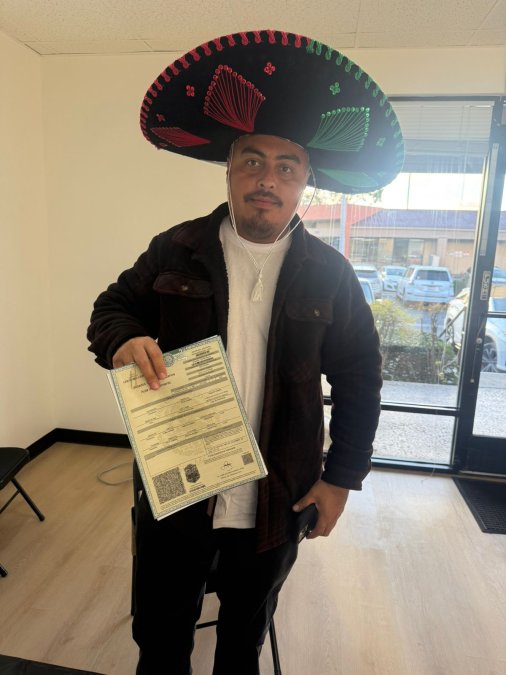
Once you’ve submitted your application, tracking its progress and understanding what happens next reduces anxiety and helps you plan accordingly.
Direct consulate inquiry is your primary method. Contact the Mexican consulate in San Bernardino directly with your application reference number.
Online status tracking is available through some consulate portals, though not all consulates offer this. Check the San Bernardino consulate’s website for a tracking system.
Request status updates in writing if you need documented confirmation. Email the consulate with your application details and request written confirmation of your application status.
Expedited processing requests are possible but limited.
Working with a professional service like DNExpress gives you insider access to consulate contacts and current processing information.
Many applicants make the mistake of waiting passively after submission. Regular check-ins, every 4 to 6 weeks, help identify problems early.
Conclusion: Planning Your Path to Mexican Citizenship
Understanding your citizenship application processing time helps you make informed decisions about when to apply, what to expect, and how to avoid common delays. The timeline varies significantly based on document completeness, consulate workload, and whether corrections are needed, but most applications resolve within 6 to 18 months.
The most important step is gathering complete, accurate documentation before you submit. Discrepancies, missing documents, and poor translations are the primary causes of delays. Planning for consulate appointment wait times, which can add 2 to 3 months, ensures your timeline is realistic.
If you’re pursuing Mexican citizenship as a U.S. resident in or near San Bernardino, working with professionals who understand both the Mexican and U.S. systems can significantly reduce your timeline and stress. DNExpress specializes in handling paperwork, document corrections, translation, and correspondence with Mexican authorities, ensuring your application moves efficiently through the system.
Ready to secure your Mexican citizenship with confidence? Book a free consultation with DNExpress to discuss your specific situation, understand your eligibility, and get a realistic timeline for your application.
Frequently Asked Questions
How long does the Mexican citizenship application process take for U.S. citizens?
Processing times vary significantly depending on your specific circumstances and which consulate handles your application. Most applications take between 6 to 18 months from submission to approval, though some cases resolve faster. The timeline depends on document completeness, whether corrections are needed, consulate workload, and whether you’re applying through birthright citizenship or naturalization. Working with an experienced service like DNExpress can help streamline your application and reduce unexpected delays.
What factors influence the processing time for Mexican dual citizenship?
Several key factors affect how long your application takes. Document accuracy and completeness are critical, discrepancies in names, dates, or vital records can add months. Consulate workload fluctuates seasonally, with busier periods extending timelines. The complexity of your family history, whether you need vital record corrections, and how quickly you provide requested information all impact speed. Additionally, whether your application is straightforward (direct descent) or requires investigation of family lineage affects processing duration significantly.
Can I speed up my Mexican citizenship application at a consulate?
Consulates don’t offer expedited processing for standard citizenship applications, but you can accelerate your timeline by ensuring all documents are accurate and complete before submission. Responding promptly to any consulate requests, maintaining clear communication, and avoiding document discrepancies prevents delays. Professional assistance from services like DNExpress can help identify and correct issues upfront, reducing back-and-forth communication and keeping your application moving forward efficiently.
What should I do if my birth certificate has discrepancies that are delaying my application?
Document discrepancies like misspelled names, incorrect dates, or surname variations are among the most common reasons for delays. You’ll typically need to obtain a corrected vital record from the original issuing authority before the consulate will proceed. Services like Mexican Birth Certificate Correction can help you navigate this process, ensuring corrections are made through proper channels. Once corrected documents are submitted, your application can move forward without additional holds.
Do I qualify for Mexican dual citizenship if my grandparents were from Mexico but I was born in the U.S.?
Third-generation Mexican-Americans may qualify for citizenship through birthright descent, but eligibility depends on specific circumstances of your family line. Generally, if your parent held Mexican nationality at the time of your birth, you may have a claim. However, each case is unique and requires careful review of family documentation and Mexican nationality laws. A consultation with DNExpress can clarify whether you qualify and what documentation you’ll need to establish your eligibility.
Why does the Mexican consulate appointment wait time matter for my processing timeline?
Consulate appointment availability directly affects when you can submit your application in person. In high-demand locations, initial appointment wait times can range from several weeks to several months. Once you have an appointment and submit your complete application, the processing clock begins. Scheduling your appointment early and ensuring your documents are ready beforehand prevents unnecessary delays in the overall timeline from application submission to approval.
What happens if my application is rejected due to document issues?
If your application is rejected, the consulate typically specifies which documents need correction or additional information. You’ll need to address those issues and resubmit, which restarts the processing timeline. This is why working with experienced professionals is valuable, they can identify and resolve document problems before submission, significantly reducing rejection risk and avoiding months of additional waiting.
The path to Mexican citizenship is achievable, but it requires patience, attention to detail, and understanding of the system. Whether you’re claiming birthright citizenship, pursuing dual nationality through descent, or preparing to own property in Mexico, having clarity about processing timelines and potential delays helps you plan your next steps with confidence. At DNExpress, we’ve helped hundreds of applicants navigate this process successfully, and we’re ready to help you too.