Quick Answer: Did you lose your Mexican citizenship when you became a U.S. citizen? Only if you naturalized before March 20, 1998. On that date, Mexico changed its nationality rules. Anyone who naturalized after that kept Mexican nationality automatically. If you naturalized earlier, you can get it back with a one-time consular procedure called the Declaratoria de Nacionalidad Mexicana por Nacimiento.
Did you lose your Mexican citizenship when you became a U.S. citizen? The answer depends on one date. If you took the oath before March 20, 1998, Mexico treated that as giving up your Mexican nationality. If you took it on or after that date, you never lost anything. Many people only find this out decades later, when a consulate refuses to renew their Mexican passport or INE card.
At DNExpress, we have helped more than 10,000 families with Mexican citizenship paperwork since 2019. This question comes up at our offices in Chula Vista, San Bernardino, Tijuana every week. So here is the full answer, plus the exact steps to get your nationality back.
Why Did You Lose Your Mexican Citizenship When You Became a U.S. Citizen?
You lost it because of an old rule that no longer exists. Before 1998, Mexico did not allow dual nationality. If you voluntarily became a citizen of another country, Mexico considered your Mexican nationality lost. That is why so many parents and grandparents who naturalized in the 1970s, 80s and 90s no longer show up as Mexican in the consulate’s records.
Mexico never took anything away from your children, though. More on that below.
What Changed on March 20, 1998?
On March 20, 1998, Mexico’s new nationality rules took effect, and Mexicans could finally hold a second nationality without losing their first. After that date, the rule flipped completely. Anyone who acquires another nationality now keeps Mexican nationality automatically.
The Mexican consulate in Los Angeles states it plainly. People who naturalized after March 20, 1998 automatically keep their Mexican nationality and need no extra procedure. However, the change was not retroactive. So people who naturalized before that date still need to take one step to be recognized again.
How Do I Know If I Lost My Mexican Citizenship?
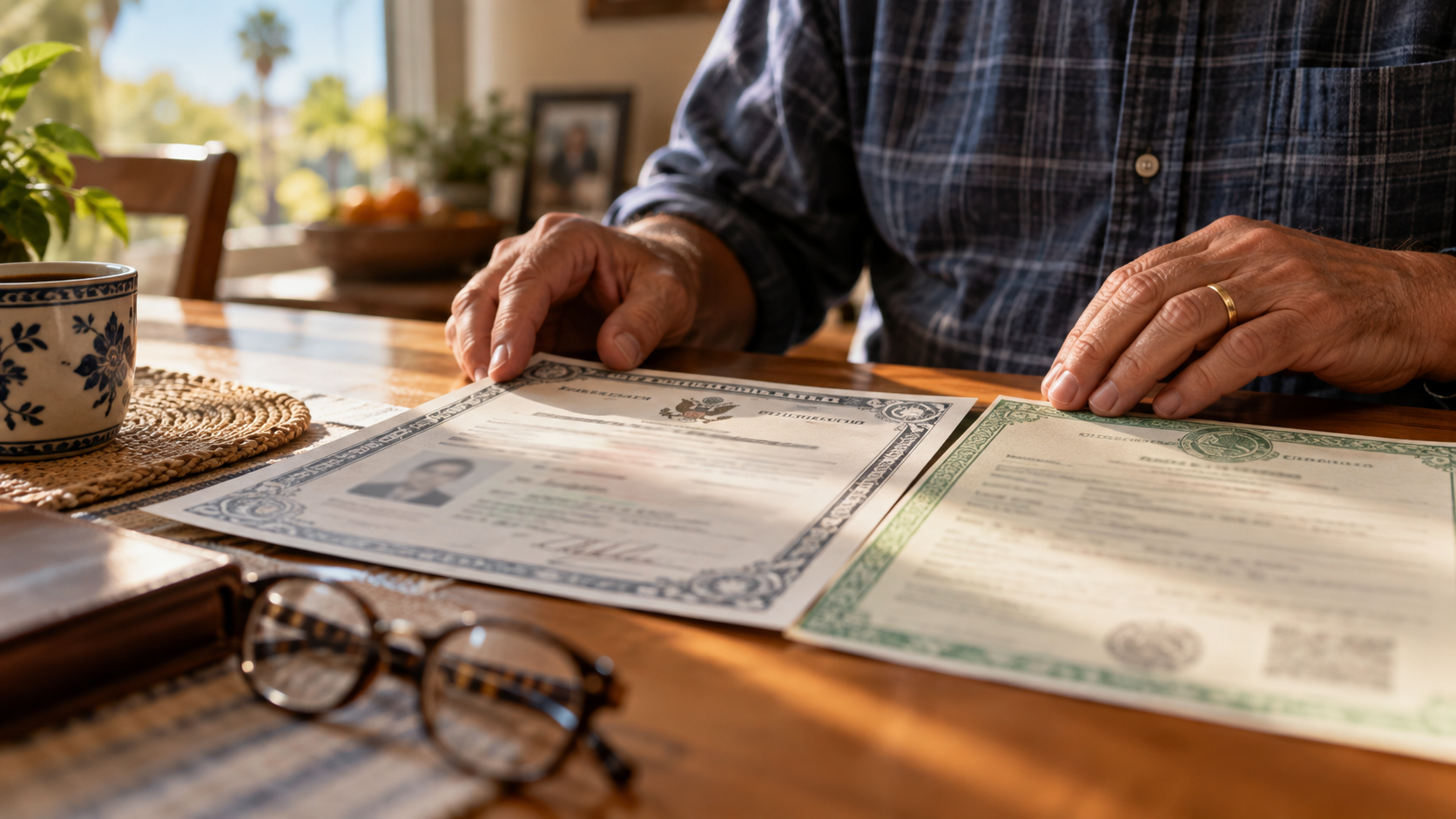
Check the date on your U.S. Certificate of Naturalization. That one date tells you almost everything.
- Naturalized on or after March 20, 1998: You kept your Mexican nationality. There is nothing to recover. You can request a Mexican passport, INE card or CURP with your Mexican birth certificate.
- Naturalized before March 20, 1998: Mexico’s records likely show you as no longer Mexican. You need the declaratoria to be recognized again.
- Born in the U.S. to a Mexican parent: This rule does not apply to you. You never naturalized, so you never lost anything. Your path is Mexican citizenship through your parents.
Most people discover the problem by accident. For example, NBC San Diego reported on a 74-year-old man born in Guadalajara who naturalized in 1983. When he tried to renew his INE voter card at the consulate in San Diego, staff told him he was no longer Mexican. We hear the same story at our Chula Vista office all the time.
How Do I Get My Mexican Citizenship Back?
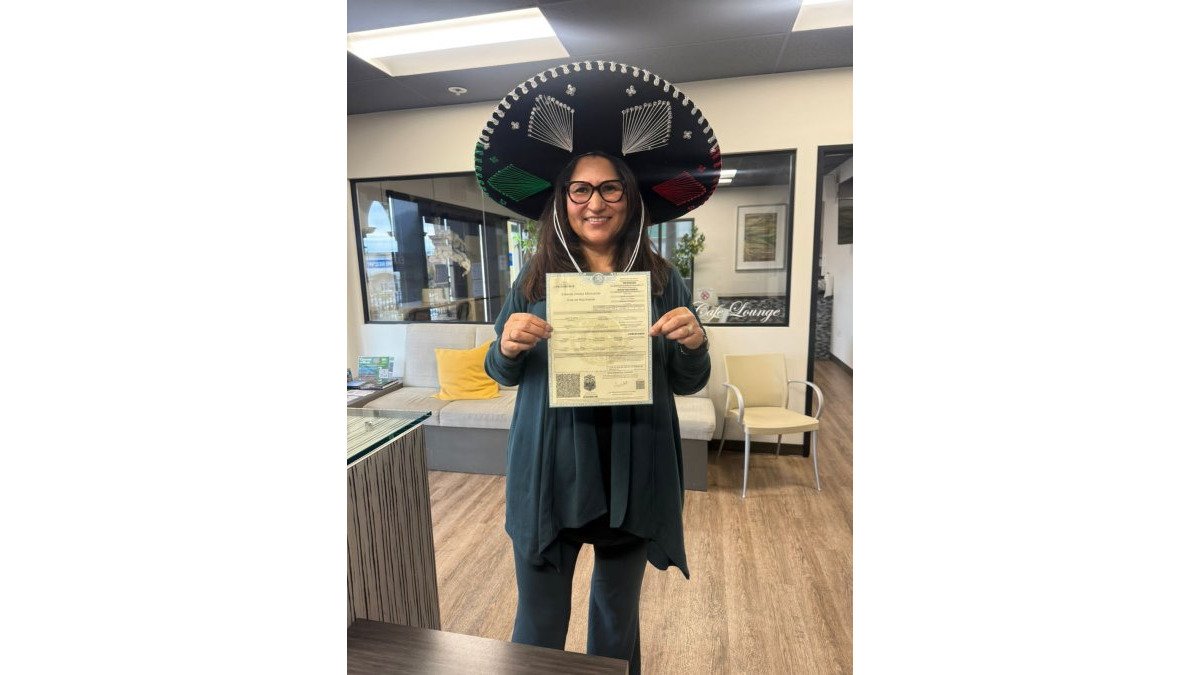
You get it back by requesting a Declaratoria de Nacionalidad Mexicana por Nacimiento at a Mexican consulate. In plain English, this is a declaration that you are Mexican by birth. It does not make you a new citizen. Instead, it confirms the nationality you were born with.
The process is personal, so you must appear at the consulate yourself. You also need to be 18 or older. Consulates require an appointment, and some only handle this procedure on certain days. After the consulate approves your request, you pay a fee of $23 USD.
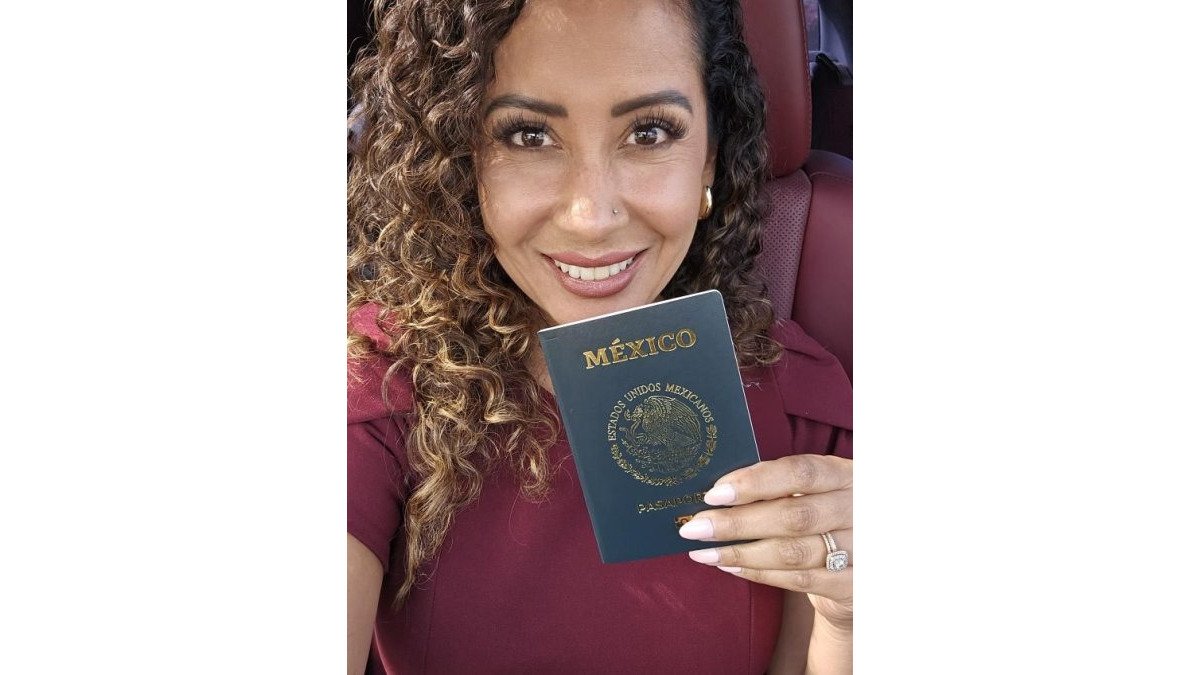
Once approved, you can apply for a Mexican passport, vote from abroad, and register your U.S.-born children as Mexicans.
What Documents Do I Need for the Declaratoria?
You need five things, and the naturalization certificate is the one that trips people up.
- Certified copy of your Mexican birth certificate. If your birth was registered more than a year after you were born, bring one more document. A baptism record, your parents’ marriage certificate, or a parent’s or sibling’s birth certificate all work.
- Certified copy of your U.S. Certificate of Naturalization with an apostille. You request the certified copy from USCIS. Then the U.S. Department of State adds the apostille, which costs $23 per document.
- Valid photo ID with your photo and signature, such as a U.S. passport or driver’s license.
- Two color passport-size photos taken within the last six months.
- Proof of any name change, such as a marriage certificate, if your current name differs from your birth certificate.
Each consulate posts its own list, and some add items like proof of address or a translation of the naturalization certificate. Check the list for the consulate you plan to visit before your appointment. Also, if your Mexican birth certificate has errors, fix those first. Consulates reject records with mismatched names or dates.
Does Losing Your Mexican Citizenship Affect Your Children?
No. Your children can still claim Mexican citizenship through you. Mexican nationality by birth passes from a parent who was born in Mexico, and your Mexican birth certificate is the proof the consulate asks for. The 1998 change did not touch that.
In practice, two paths exist. In many cases, the consulate registers your U.S.-born child using your Mexican birth certificate alone. In others, it asks you to complete your declaratoria first, then register the child. Either way, the door is open. Your grandchildren can qualify too, once the consulate registers their parent as Mexican.
This is the question we hear most often from families in San Diego and the Inland Empire. Parents worry they closed the door for their kids back in the 1980s. They did not.
Do I Have to Give Up My U.S. Citizenship to Do This?
No. The declaratoria does not touch your U.S. citizenship. The United States allows dual citizenship, and Mexico has allowed it since 1998. You keep your U.S. passport and your right to vote in U.S. elections. You simply add your Mexican nationality back on top.
How DNExpress Helps
We prepare the whole file before you ever book a consulate appointment. Our bilingual team reviews your Mexican birth certificate for errors, orders the certified copy and apostille of your naturalization certificate, and makes sure your name matches across every document. Then you walk into the consulate once, with everything in order.
Since 2019, DNExpress has helped more than 10,000 families claim or recover their Mexican nationality. We have offices in Chula Vista, San Bernardino and Tijuana and we work with clients across the United States by phone and email.
Ready to Get Your Mexican Citizenship Back?
Start with a free consultation. Tell us when you naturalized, and we will tell you in minutes whether you need the declaratoria or already have your nationality. Book your free consultation with DNExpress by phone or at our Chula Vista or San Bernardino office, in English or Spanish.