Can I translate my own birth certificate for USCIS? The USCIS rule does not name who the translator has to be. It sets out what the translation must include and what the translator must certify. For a Mexican birth certificate, those requirements are stricter than most people expect, so this guide walks through the rule, what it means for an acta de nacimiento, and when it makes sense to use a professional.
Can I Translate My Own Birth Certificate for USCIS?
The USCIS rule does not stop you from translating your own birth certificate, but it does hold you to three requirements. You must give a full English translation. You must certify that the translation is complete and accurate. You must also certify that you are competent to translate from Spanish into English.
That last part matters. When you sign the certification, you state that you have the language skills to translate the document correctly. If your Spanish or English is not strong, signing that statement puts your application at risk.
Translating your own document also carries a practical risk. You know what your birth certificate should say, so it is easy to skip a stamp or a note without noticing. A neutral translator reads every line with fresh eyes.
What Translations Does USCIS Accept?
USCIS accepts a translation that meets the rule in federal regulation 8 CFR 103.2(b)(3). The official text of 8 CFR 103.2 says any document with foreign language must come with three things:
- A full English translation. USCIS wants the whole document, not a summary.
- A certification that the translation is complete and accurate. The translator makes this statement.
- A certification that the translator is competent. The translator states they can translate from the foreign language into English.
The rule stops there. It does not require a translation company, a license, or a specific form. What it does require is that nothing gets left out and that the translator stands behind the work.
What Does a “Full” Translation Mean for a Mexican Birth Certificate?
A full translation of a Mexican birth certificate covers every word and mark on the page. Modern Mexican actas de nacimiento hold much more than a name and a date, and each part counts.
Make sure the translation includes:
- The full names of the person, the parents, and the grandparents, spelled exactly as they appear.
- The date and place of birth and the date of registration.
- The CURP, the 18-character population ID printed on modern actas.
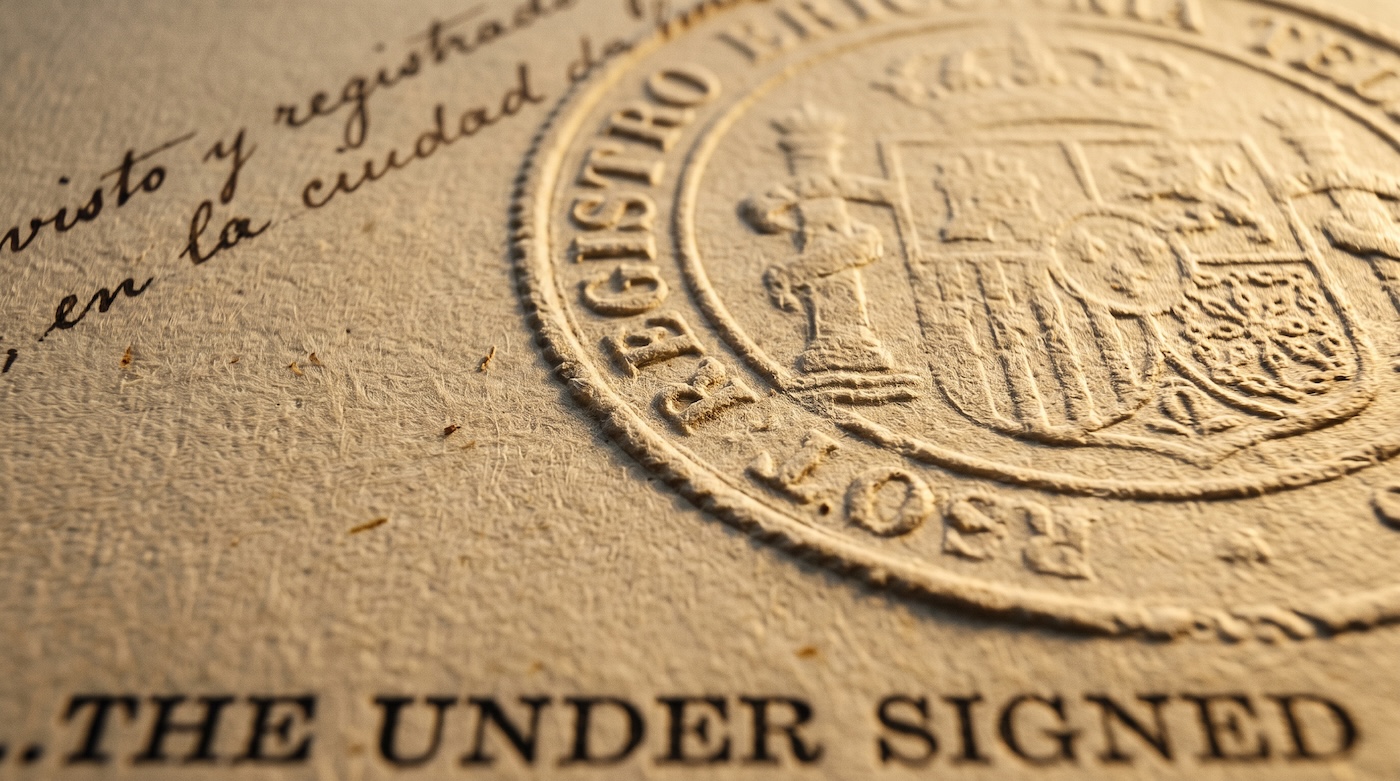
- Every seal and stamp, described in English, such as “[Seal of the Civil Registry]”.
- Signatures, noted as “[Signature]” where they appear.
- The notes section (anotaciones marginales), even if it only says there are no notes.
- Any text near the QR code or verification code.
Leaving out a seal or the notes section is one of the easiest mistakes to make. It turns a “full” translation into a partial one.
What Should a USCIS Translation Certification Say?
A USCIS translation certification should state that the translator is competent to translate from Spanish into English and that the translation is complete and accurate. Those two points come straight from the rule. The translator then signs and dates the statement.
Here is an example of how a certification can read. This is not an official USCIS form, just one way to cover what the rule asks for:
“I, [Full Name], certify that I am competent to translate from Spanish into English, and that the attached English translation of the birth certificate of [Person’s Name] is complete and accurate to the best of my knowledge and ability.”
Below the statement, the translator adds a signature, a printed name, and the date. Many translators also add their address and phone number so USCIS can reach them. Attach the certification to the English translation, and keep a copy of the original Spanish document with it.
Does a USCIS Translation Need to Be Notarized?
No, the USCIS translation rule does not ask for a notary. 8 CFR 103.2(b)(3) only asks for the translator’s certification that the translation is complete and accurate and that the translator is competent. A notary stamp is not part of that requirement.
A notary also does not translate anything. A notary confirms who signed a paper, not whether the translation is correct. If a notary offers to “certify” your translation, the translator still has to give the competence and accuracy statement.
Other agencies and courts can set their own rules, so check the instructions for the office you are sending documents to.
Should You Translate It Yourself or Use a Professional?
You can translate it yourself if you are fully fluent in both languages and you can read every stamp and handwritten note on the acta. For most families, a professional translation is the safer choice because it removes guesswork from an important filing.
Here is a quick way to decide:
- Translate it yourself if you read and write both Spanish and English with confidence, and your acta is clear and easy to read.
- Use a professional if your acta has old handwriting, faded stamps, or marginal notes, or if you are not sure you can certify your own competence.
- Use a professional if your case has a deadline and a mistake could delay it.
DNExpress provides certified Spanish-to-English translations for USCIS, including Mexican birth certificates. Each translation includes the translator’s certification, and most standard orders come back in one to two business days. Our team works only between English and Spanish, so Mexican civil records are our everyday work. You can learn more about how the process works in our post on certified document translation with DNExpress.
What If You Do Not Have Your Mexican Birth Certificate Yet?
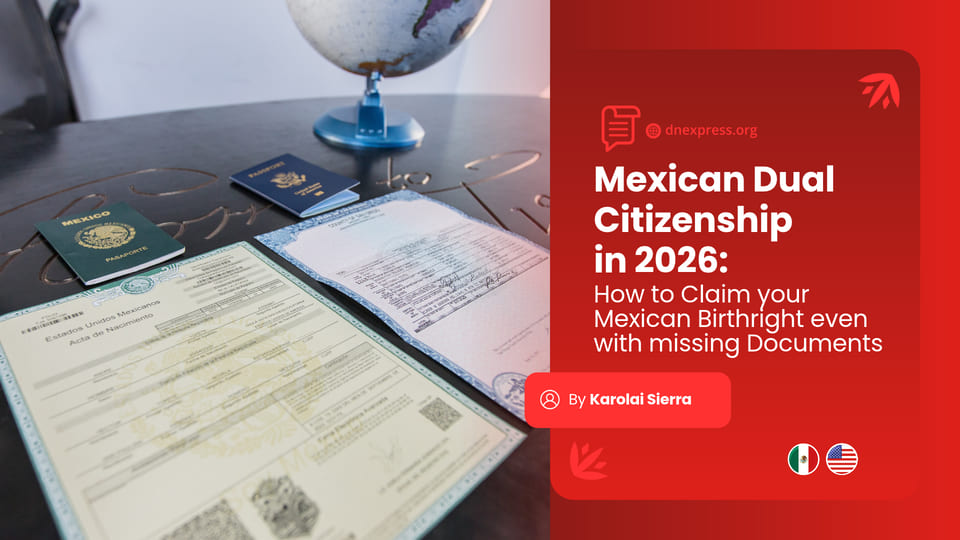
You need the Mexican birth certificate in hand before anyone can translate it. Many people born in the U.S. to a parent born in Mexico are also Mexican by birth and can get their own Mexican acta. DNExpress has helped families with Mexican citizenship through a Mexican parent since 2019.
Need a Certified Translation for Your USCIS Case?
A full, certified translation keeps your Mexican birth certificate from holding up your USCIS case. Our bilingual team helps families from our offices in the U.S. and Mexico, and we know what a complete acta translation needs.
Contact DNExpress today for a free consultation and get your birth certificate translated the right way.