From Exclusion to Inclusion: The Story of Dual Citizenship in Mexico.
The year is now 2024, currently, any individual born abroad from at least one Mexican parent has the right to obtain Mexican citizenship (dual nationality, dual citizenship, doble nacionalidad). However, it wasn’t always this way.
The story of dual citizenship in Mexico is a testament to how the nation has evolved to adapt to a more globalized world, where national borders do not fully define a person’s identity. Today, dual citizenship is seen as an opportunity to strengthen ties with Mexicans abroad, but how did we get here?

In this blog, we will explore the key moments that shaped dual citizenship in Mexico and how its legalization in 1998 transformed the landscape for millions of Mexicans.
The Early Years: Single Citizenship and Exclusion
Throughout the 20th century, Mexico, like many other countries, maintained a policy of single nationality. The idea of holding more than one citizenship was perceived as a conflict of loyalties and sometimes even looked down upon since, you know, pride and all the serious stuff.

The 1917 Constitution, for instance, was clear: a Mexican who chose to acquire another nationality automatically lost their Mexican citizenship.
This measure mainly affected those seeking opportunities outside the country, particularly in the United States, where Mexican migration dramatically increased during the 20th century.
This specific law was passed a little before the Mexican Revolution occurred, imagine how things have changed since.
Many Mexicans who became naturalized U.S. citizens in hopes of gaining better working conditions and access to social benefits ended up losing their Mexican nationality, preventing them from easily returning or retaining certain rights in their country of origin.
The Rise of Migration and the Need for Reform
With the growth of the Mexican community in the United States in the 1960s and 70s, it became clear that something needed to change.
Millions of Mexicans who had emigrated to work and provide a better future for their families were forced to renounce their heritage. Dual citizenship began to be seen not as a threat, but as a tool for protecting and recognizing the rights of migrants.
In the 1990s, the pressure increased. Figures like Senator Carlos Laviada and influential politician Porfirio Muñoz Ledo advocated for a constitutional reform allowing Mexicans to retain their nationality when acquiring another.

They recognized that the country needed to modernize and adapt to the reality of having millions of citizens living abroad.
Muñoz Ledo, in particular, argued that dual citizenship was not a matter of disloyalty, but of justice and human rights. Mexicans abroad were still a vital part of the nation, sending remittances, maintaining traditions, and raising future generations of Mexican-Americans.
The Historic Reform of 1998
The big change finally came in 1998. The Mexican Congress approved a reform to Article 30 of the Constitution, allowing Mexicans by birth who acquired another nationality, to retain their Mexican citizenship.
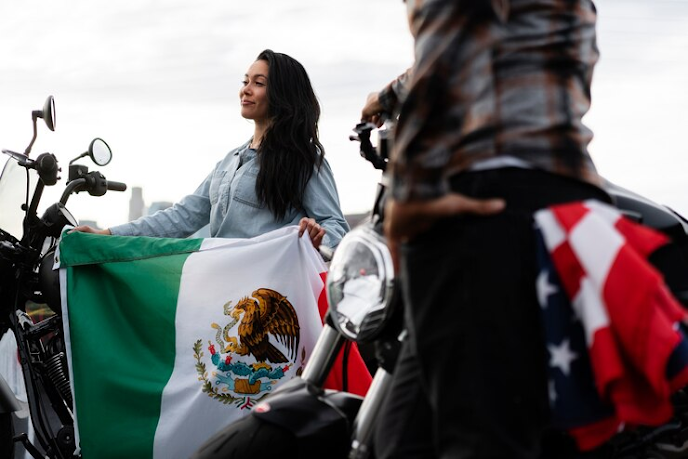
This reform was a historic milestone: for the first time, Mexicans could be citizens of the world without losing their legal ties to Mexico. Mexico, officially, legislated in favor of Dual Citizenship. It became a reality.